Thoroughbreds, known for their speed, agility, and grace, have captivated the hearts of equestrians and horse enthusiasts worldwide. From the racetrack to show jumping arenas, these majestic horses excel in various disciplines. This comprehensive guide delves into the history, characteristics, training, and care of Thoroughbreds, providing valuable insights for both novice and experienced horse lovers.
The History of Thoroughbreds
Thoroughbreds originated in England during the late 17th and early 18th centuries. Their lineage can be traced back to three foundation sires: the Darley Arabian, the Godolphin Arabian, and the Byerly Turk. These sires were bred with native mares to create a new breed known for its speed and endurance. The resulting Thoroughbreds quickly became popular in horse racing, a sport that remains synonymous with the breed today.
Characteristics of Thoroughbreds
Thoroughbreds are easily recognizable by their distinctive physical traits:
- Height: Typically standing between 15.2 and 17 hands high.
- Build: Lean and athletic with long legs and a deep chest.
- Head: Refined with a straight profile and expressive eyes.
- Coat Colors: Common colors include bay, chestnut, black, and gray.
Thoroughbreds are renowned for their spirited nature and high energy levels. They are intelligent, sensitive, and often have a strong work ethic, making them excellent competitors in various equestrian sports.
Training Thoroughbreds
Training a Thoroughbred requires patience, consistency, and a deep understanding of the breed’s temperament. Here are some key training tips:
- Start Early: Begin training at a young age to establish a solid foundation.
- Positive Reinforcement: Use rewards and praise to encourage desired behaviors.
- Variety: Incorporate different exercises to keep the horse engaged and prevent boredom.
- Professional Guidance: Work with experienced trainers who specialize in Thoroughbreds to ensure effective training techniques.
Caring for a Thoroughbred
Proper care is essential to maintain the health and well-being of a Thoroughbred. Here are some crucial aspects of their care:
- Nutrition: Provide a balanced diet rich in high-quality forage, grains, and supplements tailored to their specific needs.
- Exercise: Ensure regular exercise to keep them fit and mentally stimulated.
- Veterinary Care: Schedule routine check-ups and vaccinations to prevent common health issues.
- Hoof Care: Regular farrier visits are essential to maintain healthy hooves and prevent lameness.
- Shelter and Environment: Provide a clean, safe, and comfortable environment, including ample turnout time.
Thoroughbreds in Equestrian Sports
While Thoroughbreds are most famous for horse racing, their versatility allows them to excel in various equestrian disciplines:
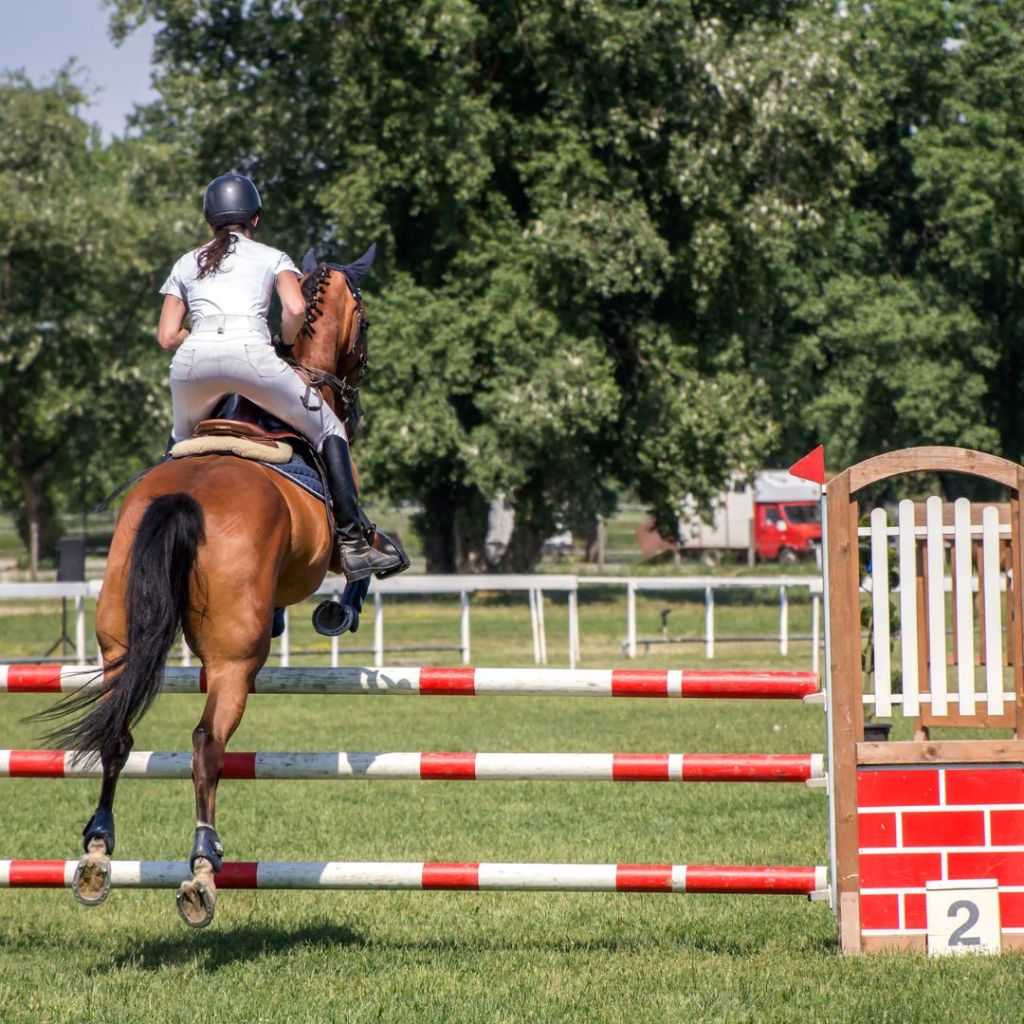
- Show Jumping: Their speed and agility make them formidable competitors in show jumping events.
- Dressage: With proper training, Thoroughbreds can perform intricate dressage movements with grace and precision.
- Eventing: Their endurance and versatility make them ideal for the demanding sport of eventing.
- Pleasure Riding: Many Thoroughbreds transition from racing to become reliable pleasure riding horses.
Thoroughbreds are a remarkable breed, celebrated for their speed, elegance, and versatility. Whether you’re a racing enthusiast, an equestrian competitor, or simply a horse lover, understanding the history, characteristics, training, and care of Thoroughbreds will deepen your appreciation for these magnificent animals. By providing proper care and training, you can help your Thoroughbred thrive in any discipline and enjoy a fulfilling partnership with these extraordinary horses.
Don’t forget to subscribe!




 Ride It Out
Leave a comment