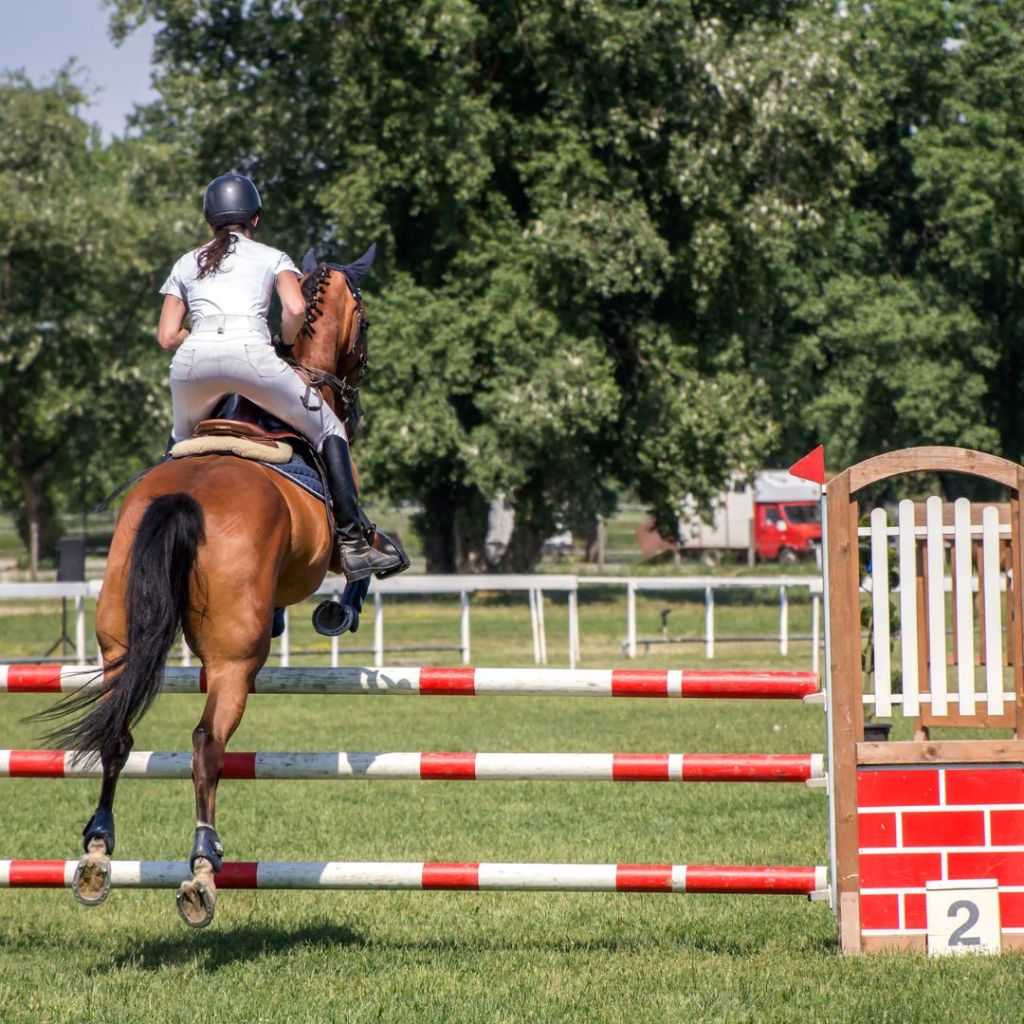
Horseback riding is an exhilarating sport that offers a myriad of disciplines for riders to explore. Among these, hunters and jumpers stand out as two prominent categories, each with its own unique set of skills, techniques, and competitions. Understanding the differences between hunters and jumpers is essential for riders aiming to excel in either discipline. In this blog, we delve into the nuances of these two disciplines, shedding light on their distinctive characteristics and requirements.
- Hunters: Grace and Precision
- Definition: Hunters, also known as hunter under saddle or hunter equitation, emphasize the elegance and smoothness of both horse and rider. The goal is to present a picture-perfect round, showcasing the horse’s movement, form, and manners.
- Judging Criteria: In hunter competitions, judges evaluate the horse’s performance based on criteria such as rhythm, pace, consistency, and style over fences. Emphasis is placed on the horse’s even strides, relaxed demeanor, and impeccable jumping technique.
- Types of Courses: Hunter courses typically feature natural obstacles such as fences, walls, and brush jumps. The emphasis is on creating a flowing, rhythmic course that simulates riding in the hunt field.
- Rider’s Role: Riders in hunter classes aim to maintain a steady pace throughout the course, ensuring their horse maintains a consistent rhythm and form over each jump. Proper equitation is crucial, with riders striving for a balanced position and subtle aids.
- Jumpers: Speed and Precision
- Definition: Jumpers, on the other hand, are all about speed, agility, and accuracy. This discipline tests the horse and rider’s ability to navigate a course of brightly colored fences and obstacles in the shortest time possible.
- Judging Criteria: Unlike hunters, where style and form are paramount, jumpers are judged primarily on their ability to clear obstacles cleanly and quickly. Penalties are incurred for knockdowns, refusals, and exceeding the time allowed.
- Types of Courses: Jumper courses are designed to challenge both horse and rider with technical combinations, tight turns, and demanding lines. The emphasis is on problem-solving and quick decision-making, as riders must strategize the most efficient route.
- Rider’s Role: In jumpers, riders must ride aggressively while maintaining control and precision. Quick reflexes, effective communication with the horse, and the ability to make split-second decisions are crucial for success.
- Key Differences Summarized
- Objective: Hunters focus on style, form, and presentation, while jumpers prioritize speed, agility, and precision.
- Judging Criteria: Hunters are judged subjectively based on aesthetics, whereas jumpers are judged objectively based on performance.
- Courses: Hunter courses are flowing and natural, while jumper courses are technical and challenging.
- Riding Style: Hunter riders aim for smoothness and consistency, while jumper riders prioritize speed and agility.
In the dynamic world of horseback riding, hunters and jumpers represent two distinct yet equally captivating disciplines. Whether you’re drawn to the graceful elegance of hunters or the adrenaline-fueled excitement of jumpers, both offer rewarding challenges and opportunities for growth. By understanding the differences between these disciplines, riders can choose the path that aligns with their goals, aspirations, and riding style, embarking on a journey of skill development, camaraderie, and equestrian excellence.
Don’t forget to subscribe!



 Ride It Out
Leave a comment