Geldings, the noble and versatile male horses, hold a special place in the equestrian world. Whether you’re a seasoned rider or just starting out, understanding these magnificent creatures is key to their proper care and handling. In this comprehensive guide, we’ll delve into what defines a gelding, their unique characteristics, how to care for them, and the joys of owning one.
What is a Gelding?
A gelding is a male horse that has been castrated, meaning their testicles have been surgically removed. This procedure is typically done for behavioral or management reasons and is common in the horse industry. Without the influence of testosterone, geldings generally have a more even temperament than stallions, making them well-suited for a variety of equestrian disciplines.
Characteristics of Geldings
Geldings come in all shapes, sizes, and breeds, each with their own personality. Here are some common traits you may find in a gelding:
- Steady Temperament: Geldings are known for their calm and steady demeanor, making them excellent choices for riders of all levels.
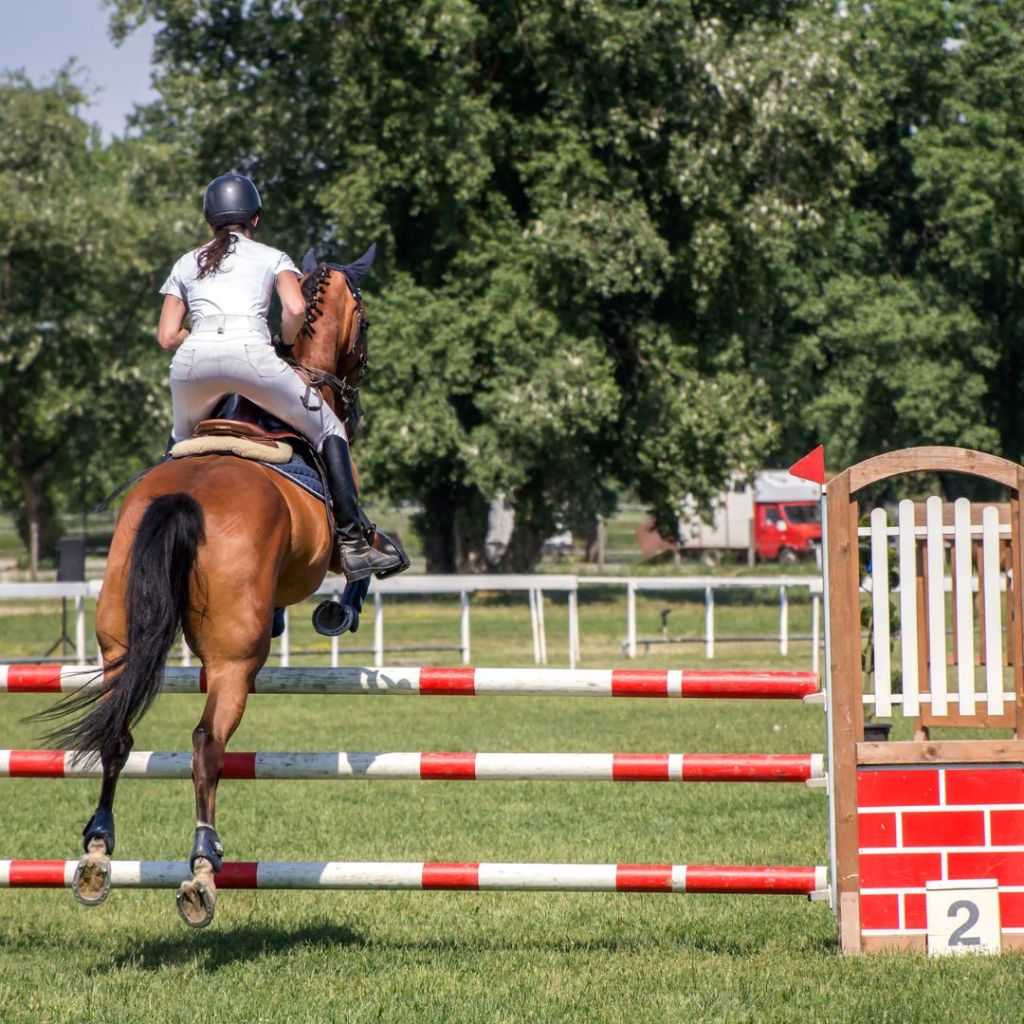
- Versatility: Whether it’s jumping, dressage, trail riding, or pleasure riding, geldings are versatile and can excel in many disciplines.
- Social Nature: Geldings often enjoy the company of other horses and can make great companions in a herd.
- Eager to Please: Many geldings have a strong desire to please their riders, making them trainable and responsive.
Caring for Your Gelding
Proper care and management are essential for the health and well-being of your gelding. Here are some key aspects to consider:
- Nutrition: Ensure your gelding receives a balanced diet appropriate for his age, weight, and activity level. Regular access to fresh water, quality forage, and possibly grain or concentrates is crucial.
- Regular Exercise: Just like any horse, geldings benefit from regular exercise. Whether it’s riding, lunging, or turnout, keeping your gelding active is important for his physical and mental health.
- Healthcare: Schedule routine veterinary check-ups, vaccinations, dental care, and farrier visits. Geldings are generally hardy, but preventive care goes a long way in maintaining their well-being.
- Stall or Pasture Management: Provide a clean and safe environment for your gelding, whether he is kept in a stall or pasture. Regular mucking, proper ventilation, and adequate turnout time are all important.
- Social Interaction: If possible, geldings benefit from socializing with other horses. Whether it’s turnout in a herd or regular companionship, interaction with other equines is beneficial for their mental health.
Benefits of Owning a Gelding
Owning a gelding can be a rewarding experience for many reasons:
- Steady Partner: Their even temperament makes them reliable partners for riders of all levels.
- Versatility: Whether you’re into leisurely trail rides or competitive show jumping, a well-trained gelding can excel in various disciplines.
- Low Maintenance: Compared to stallions, geldings typically require less management and are easier to handle.
- Companionship: Geldings can form strong bonds with their owners and make loyal companions both in and out of the saddle.
Geldings are remarkable creatures, beloved for their versatility, steady temperament, and willingness to please. Whether you’re seeking a reliable riding partner or a friendly equine companion, a well-cared-for gelding can bring joy and fulfillment to your equestrian journey. By understanding their characteristics and providing proper care, you’ll ensure a happy and healthy life for your male horse companion.
Are you considering adding a gelding to your equestrian family? Share your experiences and questions in the comments below! 🐎✨ #Geldings #MaleHorses #EquestrianLife #HorseCare #SteadyCompanions
Don’t forget to subscribe!



 Ride It Out
Leave a comment