
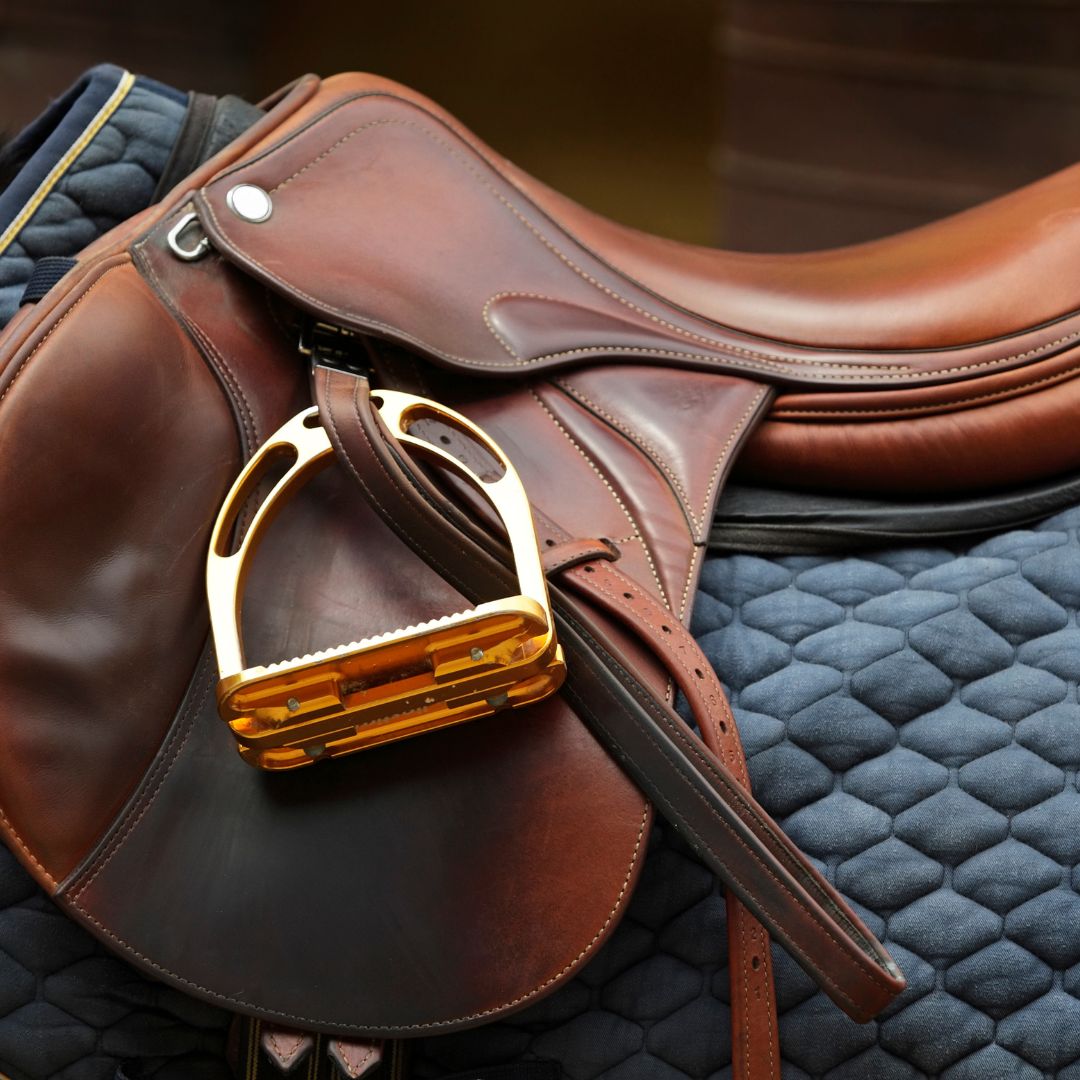
English saddles are a critical piece of gear for any equestrian, playing a pivotal role in comfort, stability, and communication between rider and horse. Whether you’re a seasoned rider or just starting, understanding the various types of English saddles available can make a significant difference in your riding experience. In this guide, we’ll delve into the different types of English saddles, their unique features, and which disciplines they are best suited for.
1. All-Purpose Saddle
The all-purpose saddle, as the name suggests, is designed for versatility. It’s a popular choice for riders who engage in a variety of disciplines, from flatwork and jumping to trail riding. These saddles typically feature a moderately deep seat, providing stability for jumping while still allowing freedom of movement for flatwork. All-purpose saddles also have slightly forward-cut flaps to accommodate jumping positions.
Best For: Riders who do a bit of everything, from dressage to light jumping and trail riding.
2. Dressage Saddle
Dressage saddles are built for the discipline of dressage, focusing on rider position, balance, and close contact with the horse. They have a straight-cut flap, allowing the rider’s leg to hang long and straight, facilitating the deep seat required in dressage. The seat is typically deep and often has extra padding in the knee area to support the rider’s leg position.
Best For: Dressage riders who need a deep seat and close contact for precise communication with the horse during intricate movements.
3. Jumping Saddle
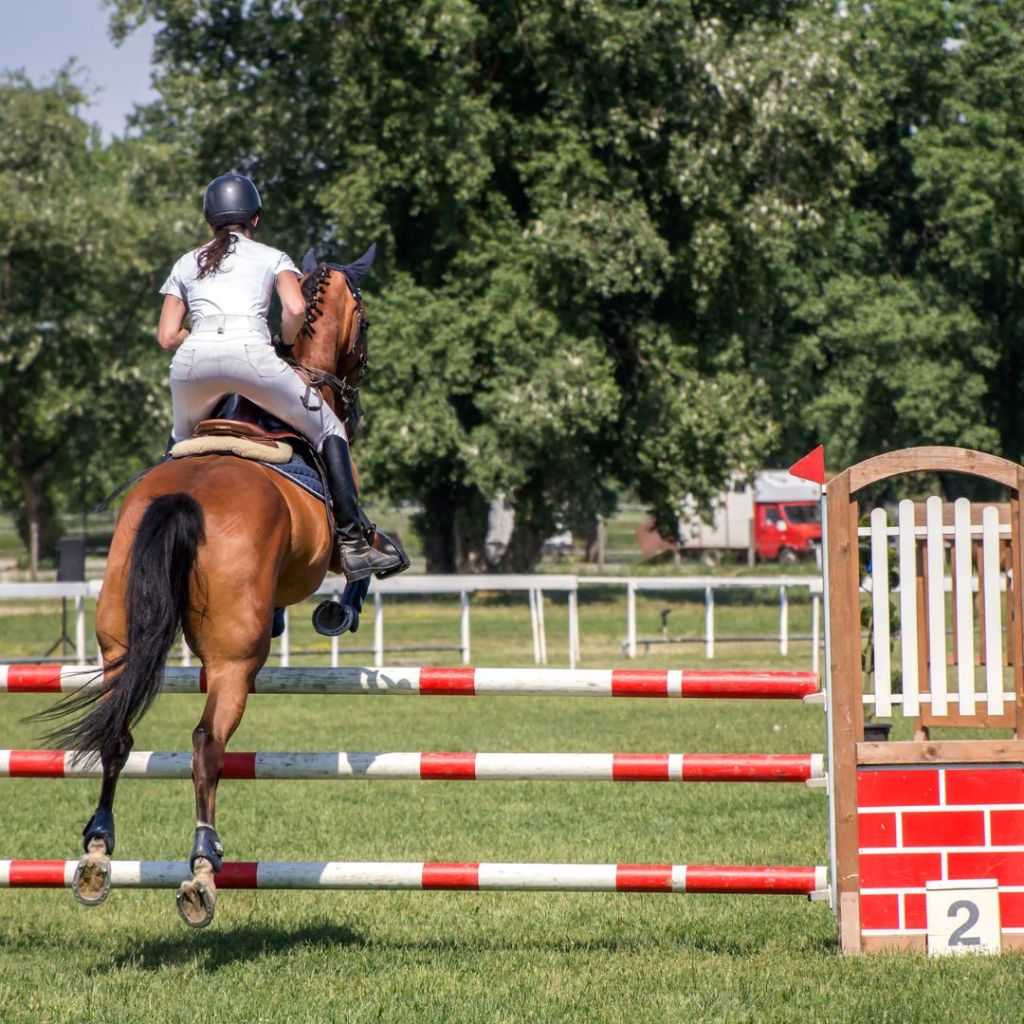
Jumping saddles are specially designed for the dynamic and demanding sport of show jumping. These saddles have a forward-cut flap, which helps the rider maintain balance over fences and accommodates the shorter stirrup lengths used in jumping. The seat is typically flatter compared to dressage saddles, allowing the rider to move more freely when jumping.
Best For: Show jumpers who need a secure yet flexible saddle for jumping courses.
4. Close Contact Saddle
Close contact saddles are similar to jumping saddles but are even more minimalistic, emphasizing a close feel between rider and horse. These saddles have minimal padding and a very forward flap, allowing for maximum contact with the horse’s sides. They are often used in hunter/jumper competitions where a subtle cue can make all the difference.
Best For: Riders who prioritize direct communication with the horse, such as in competitive jumping or equitation.
Choosing the right English saddle is essential for both your comfort and your horse’s well-being. Whether you’re a competitive rider focused on show jumping or a trail enthusiast who loves long rides, there’s an English saddle designed to meet your needs. I’ve linked a few of my favourites, but check out HorseSaddleShop.com for so many more options once you decide the type of saddle you’re after! Understanding the differences between these saddle types will help you make an informed decision when it comes time to invest in this crucial piece of equestrian equipment.
Don’t forget to subscribe!
If you make a purchase through a link in this blog I may earn a small commission at no additional cost to you.


 Ride It Out
Leave a comment