

Horses are magnificent creatures, admired for their strength, grace, and companionship. Whether you’re a seasoned equestrian or a newcomer to the world of horses, one aspect that cannot be overlooked is the importance of ground work. Far more than just leading a horse around, ground work forms the foundation for a strong, respectful partnership between horse and handler. In this guide, we’ll delve into why ground work is crucial for horses, offering benefits that go far beyond the training arena.
Understanding Ground Work
Ground work encompasses a variety of exercises and activities that are performed with the horse while on the ground, without riding. These exercises are designed to develop communication, trust, and respect between the horse and handler. From leading and lunging to desensitization and liberty work, ground work builds a solid relationship and establishes a clear language of cues and responses.
Benefits of Ground Work
- Building Trust: Ground work allows horses to learn to trust their handlers. Through consistent, patient interactions, horses understand that their handlers are fair, consistent leaders. This trust forms the basis of a strong partnership.
- Establishing Boundaries: Horses, like any creature, thrive with clear boundaries. Ground work teaches horses to respect the handler’s personal space and cues. This is crucial for safety and effective communication, whether in the stable, during grooming, or out on the trail.
- Enhancing Communication: Ground work serves as a language between horse and handler. By learning to read the horse’s body language and respond with appropriate cues, handlers can effectively communicate their intentions. This communication is essential for training and problem-solving.
- Improving Focus and Attention: Ground work exercises require horses to focus on the handler’s cues and requests. This improves their ability to concentrate, making training under saddle more effective.
- Desensitization and Confidence Building: Through ground work, horses can be exposed to various stimuli in a controlled environment. This includes introducing them to new objects, sounds, and situations. By gradually exposing horses to these stimuli and rewarding calm behavior, handlers can build their confidence and reduce fear.
Key Ground Work Exercises
- Leading: Teaching a horse to walk, halt, and turn while on a lead rope is fundamental. This establishes respect for the handler’s cues and ensures safe handling in various environments.
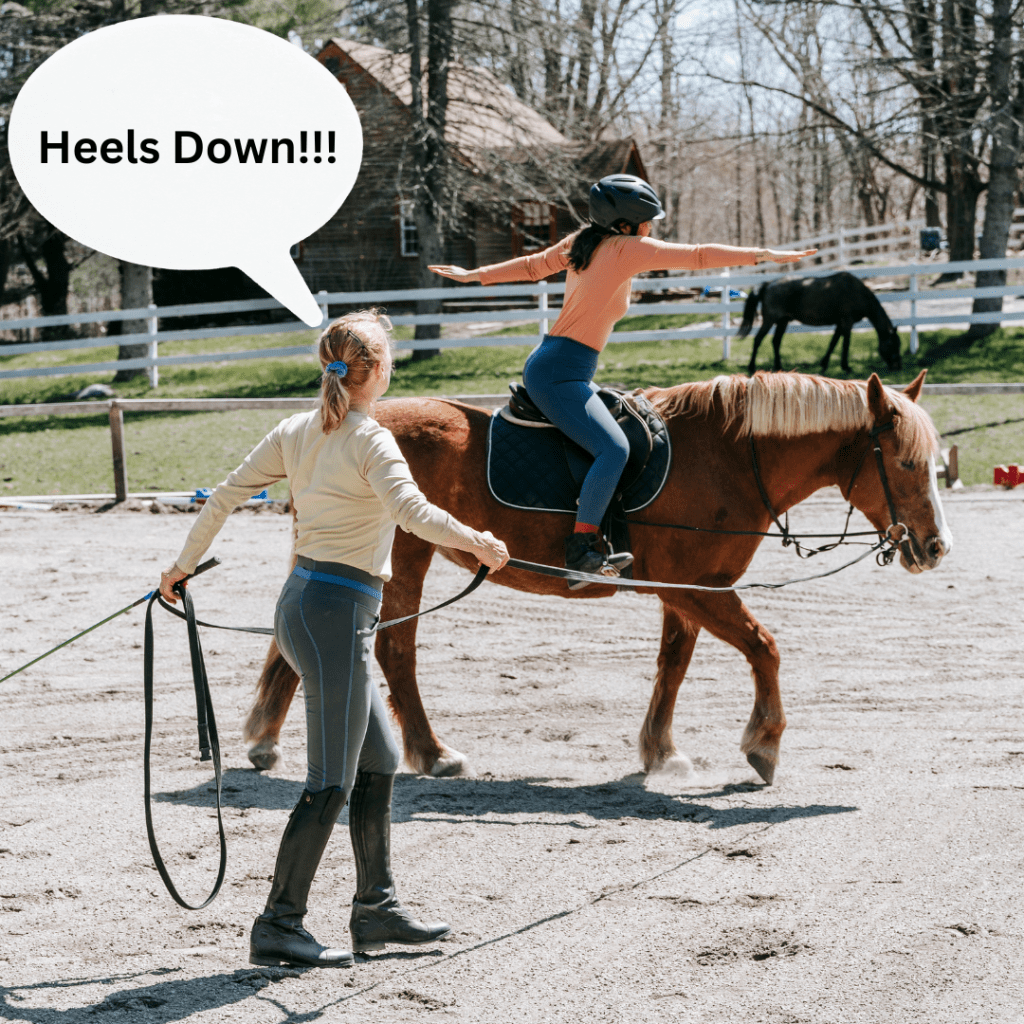
- Lunging: Lunging involves asking a horse to move in a circle around the handler at varying speeds. This exercise improves obedience, fitness, and responsiveness to voice commands. For lunging you’ll need a quality lunge line and lunge whip.
- Desensitization: Introducing horses to unfamiliar objects, sounds, and movements helps them become more confident and less reactive. This can include tarps, flags, water, and other potentially scary stimuli.
- Liberty Work: Liberty work involves working with a horse free of halters or ropes. This advanced form of ground work emphasizes communication through body language and is a powerful tool for developing trust and connection.
Ground work is not just a series of exercises; it is the cornerstone of a strong, respectful partnership between horse and handler. By investing time and effort into ground work, handlers can build trust, establish boundaries, improve communication, and enhance their horse’s confidence. Whether you’re a beginner or an experienced equestrian, incorporating ground work into your routine will unlock the full potential of your equine partner.
So, the next time you’re with your horse, consider the power of ground work. It’s not just about training; it’s about building a bond that lasts a lifetime.
Don’t forget to subscribe!
If you make a purchase through a link in this blog I may earn a small commission at no additional cost to you.



 Ride It Out
Leave a comment