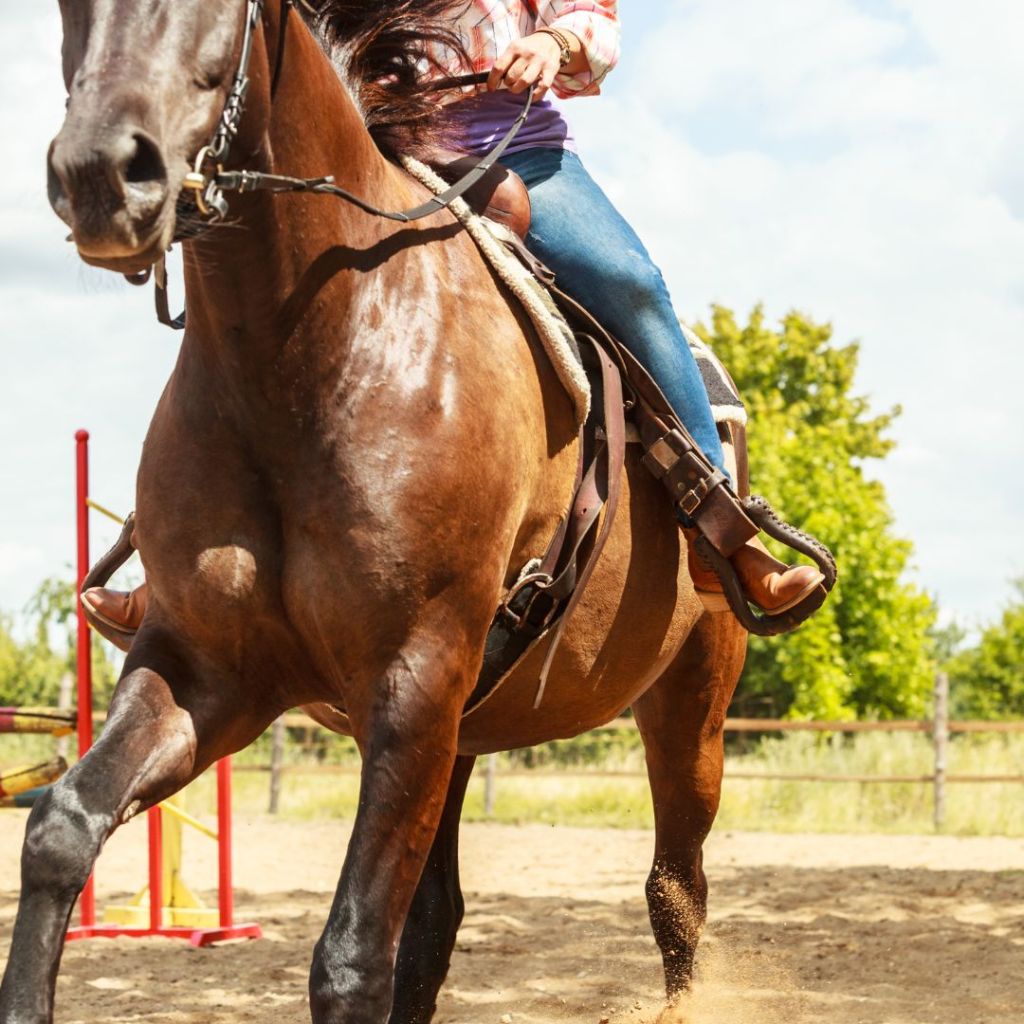
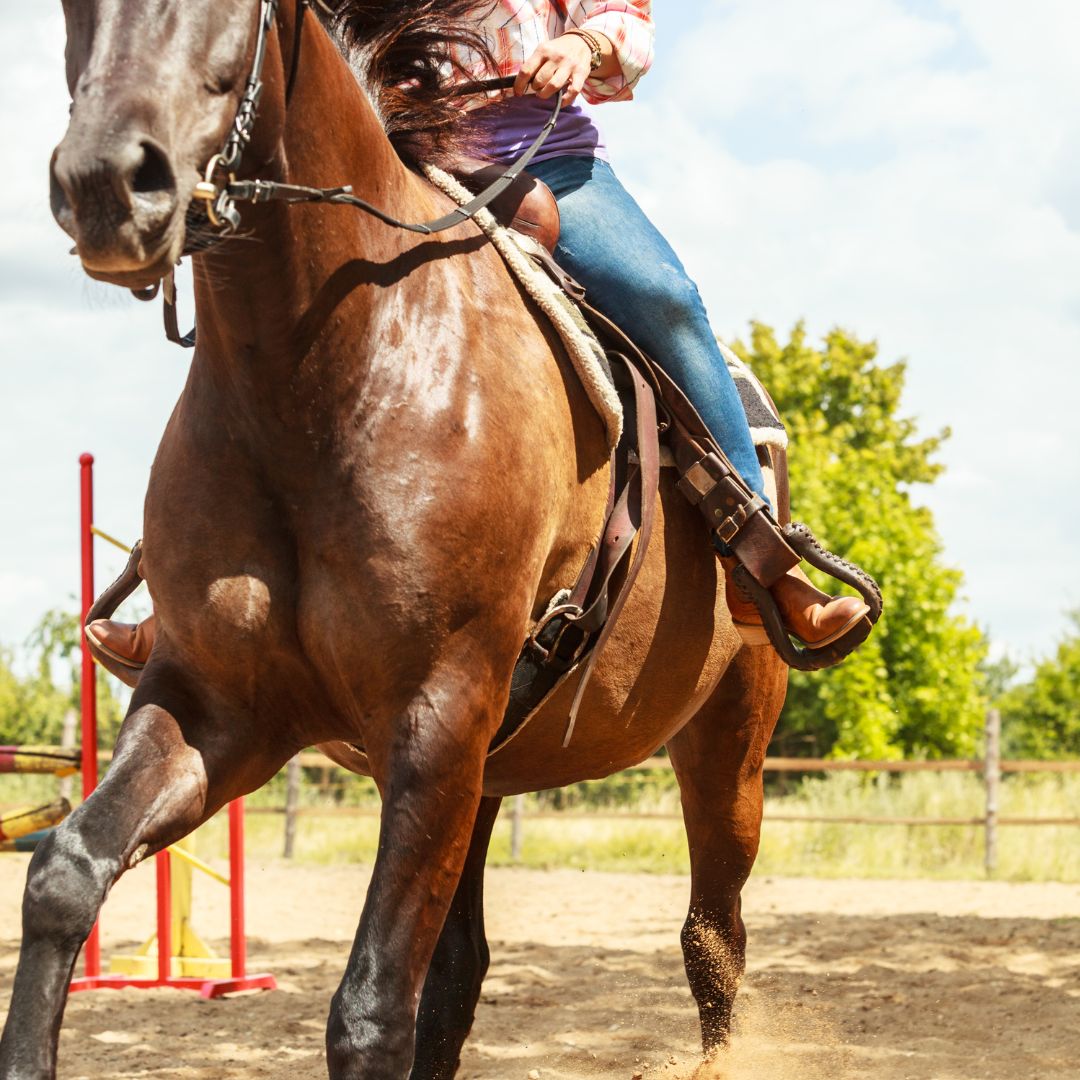
Western riding is not just a riding style; it’s a way of life steeped in tradition and history. From cowboys herding cattle to modern-day pleasure riding, Western riding offers a unique and rewarding experience for equestrians. If you’re new to the world of Western riding, this beginner’s guide will introduce you to the fundamentals, from the iconic Western saddle to mastering essential techniques like the jog and lope.
The Western Saddle: A Symbol of Tradition
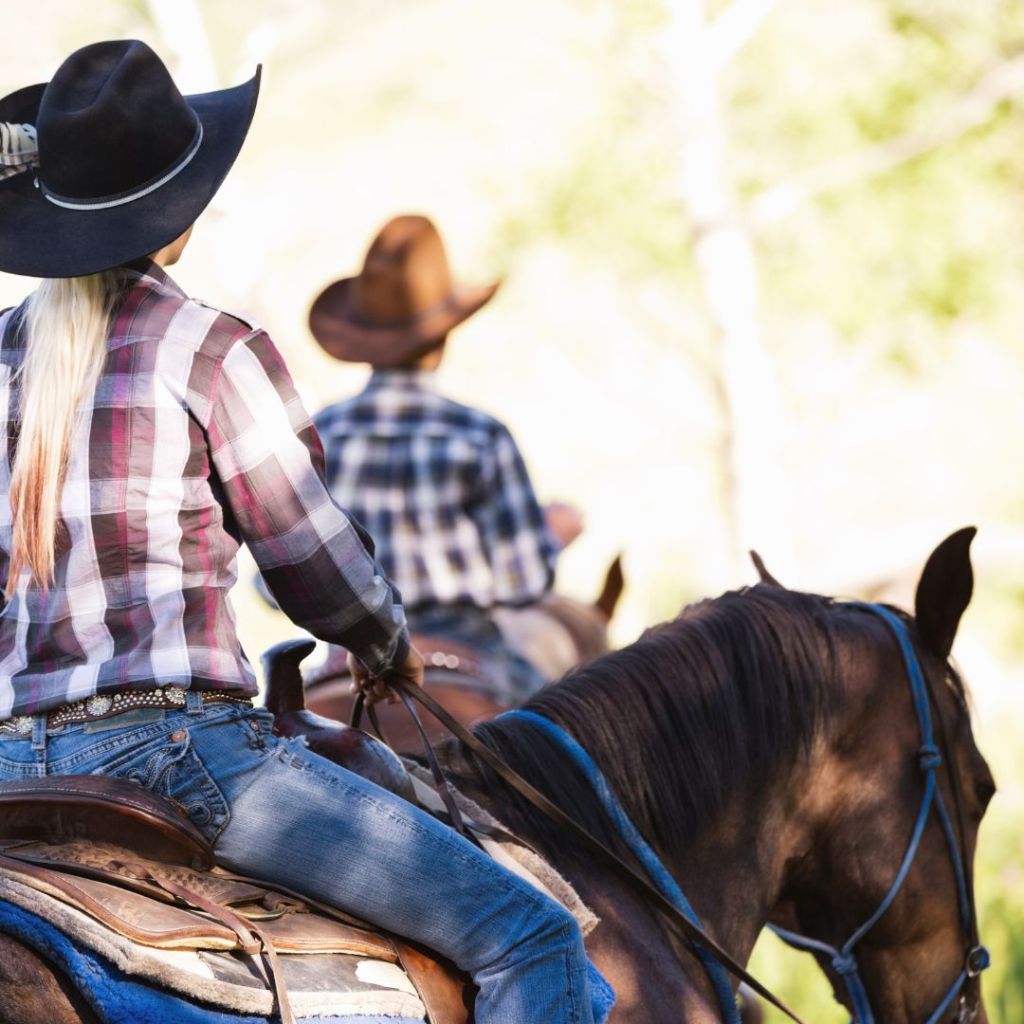
At the heart of Western riding is the Western saddle, a symbol of cowboy culture and craftsmanship. Unlike English saddles, which are lightweight and minimalistic, Western saddles are larger and more substantial, designed for comfort and stability during long hours in the saddle.
Key components of a Western saddle include:
- Horn: A distinctive feature used for securing ropes and providing stability.
- Saddle Skirt: The large, rounded piece beneath the saddle seat.
- Cantle: The raised back of the saddle that offers support.
- Stirrups: Wide and often made of wood or metal, providing a secure foothold.
Mastering Western Riding Techniques
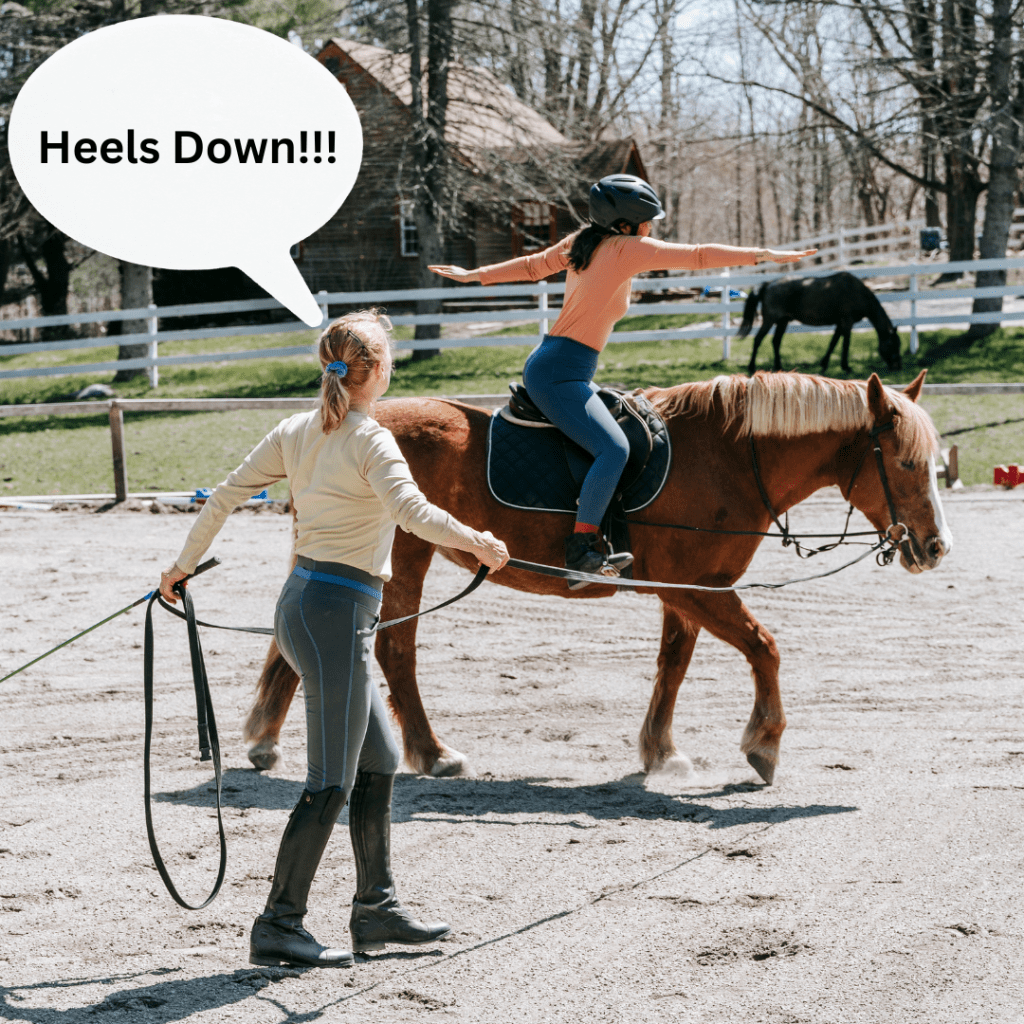
- Western Riding Position: Sit deep in the saddle with a relaxed posture. Your legs should hang naturally, and your heels should be down. Keep a light grip on the reins, allowing your horse freedom of movement while maintaining control.
- The Jog: The jog is a relaxed, medium-speed gait commonly used in Western riding. To perform the jog, gently squeeze your horse with your legs while maintaining a light contact on the reins. Your horse should respond by transitioning into a smooth, steady jog.
- The Lope: The lope, also known as the canter, is a three-beat gait that offers a comfortable and efficient way to cover ground. To cue your horse for the lope, apply pressure with your outside leg slightly behind the girth while maintaining light rein contact. Your horse should respond by smoothly transitioning into the lope.
- Reining Techniques: Reining is a key component of Western riding, involving precise cues to guide your horse through various maneuvers. Practice basic reining techniques such as stopping, backing up, and turning using leg and rein cues.
Safety and Gear
- Helmet: Always wear a properly fitted helmet when riding, regardless of experience level.
- Boots: Sturdy, closed-toe boots with a small heel provide grip and protection.
- Western Attire: While not mandatory, traditional Western attire such as jeans, a button-down shirt, and a cowboy hat add to the experience.
Developing a Bond with Your Horse
Western riding is not just about technique; it’s also about building a partnership with your horse. Spend time grooming and bonding with your horse outside of riding sessions. Establish trust and respect through consistent, patient training.
Mastering Western riding basics is an exciting journey that connects you to a rich history of horsemanship. From the iconic Western saddle to mastering essential gaits like the jog and lope, each step brings you closer to becoming a confident Western rider. Remember to prioritize safety, invest in proper gear, and most importantly, enjoy the bond you’re building with your equine partner.
Whether you’re dreaming of trail rides through rugged landscapes or the thrill of Western competitions, mastering these basics sets a solid foundation for your Western riding adventures.
Don’t forget to subscribe!
If you make a purchase through a link in this blog I may earn a small commission at no additional cost to you.


 Ride It Out
Leave a comment