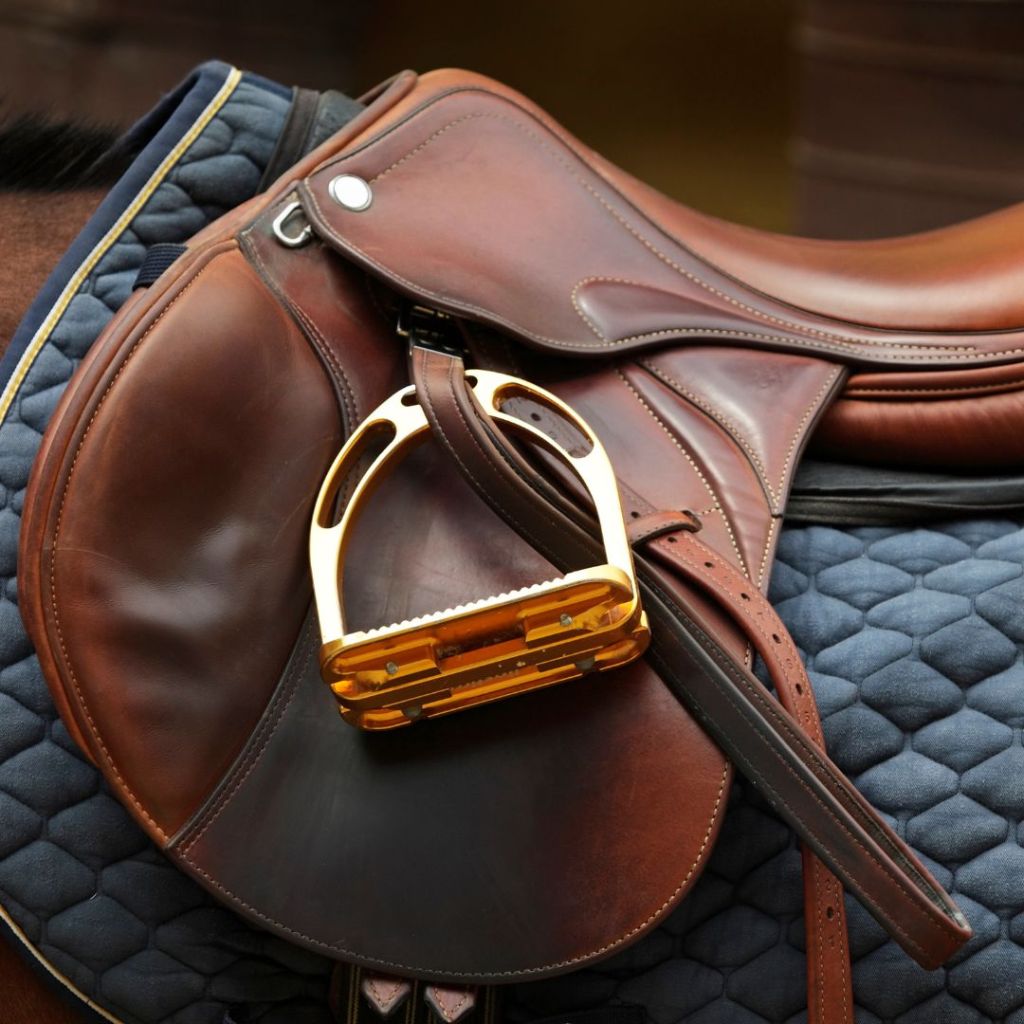
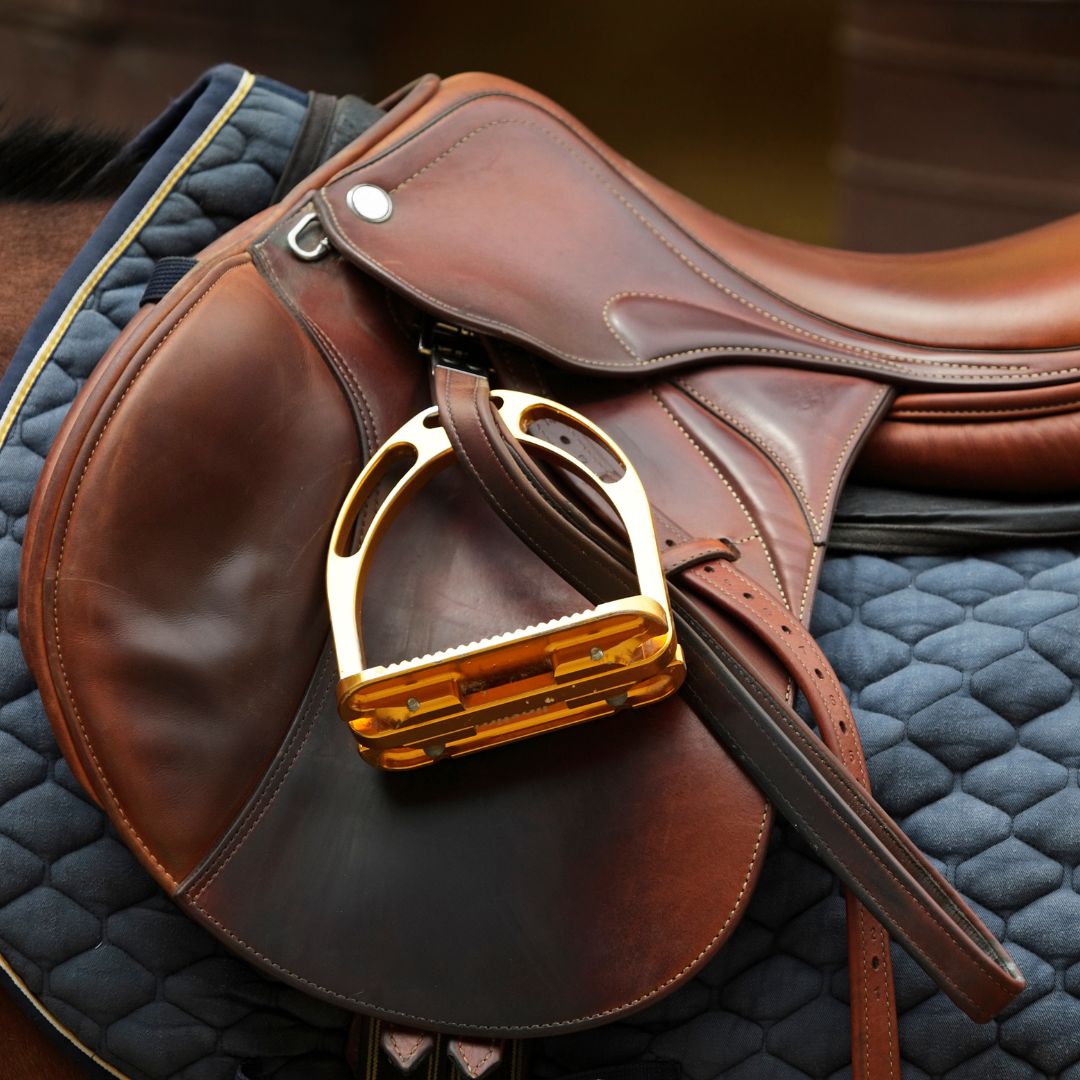
Choosing the right saddle for your horse is a crucial decision that can greatly impact both the comfort and performance of both horse and rider. With a wide array of options available, from English to Western saddles and various disciplines in between, it’s essential to understand the key factors to consider. In this guide, we’ll explore how to choose the perfect saddle for your equine partner.
1. Understand Your Riding Discipline
The first step in selecting a saddle is to consider your riding discipline. Different disciplines require specific saddle designs to support both the rider and the horse’s movement. Here are a few examples:
- Dressage: Dressage saddles have a deep seat, straight flaps, and long billets to allow for proper leg position and aids.
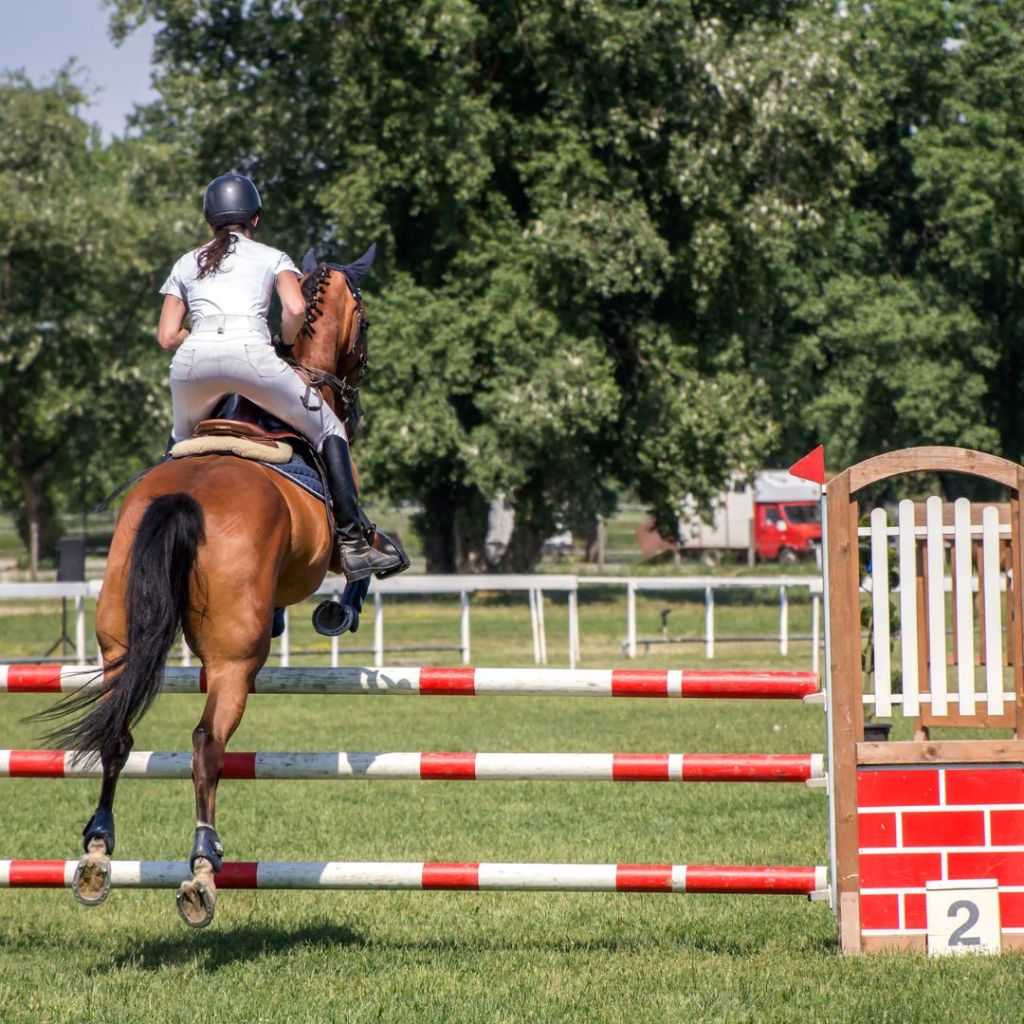
- Jumping: Jumping saddles have a forward flap and a more shallow seat to accommodate the rider’s position during jumps.
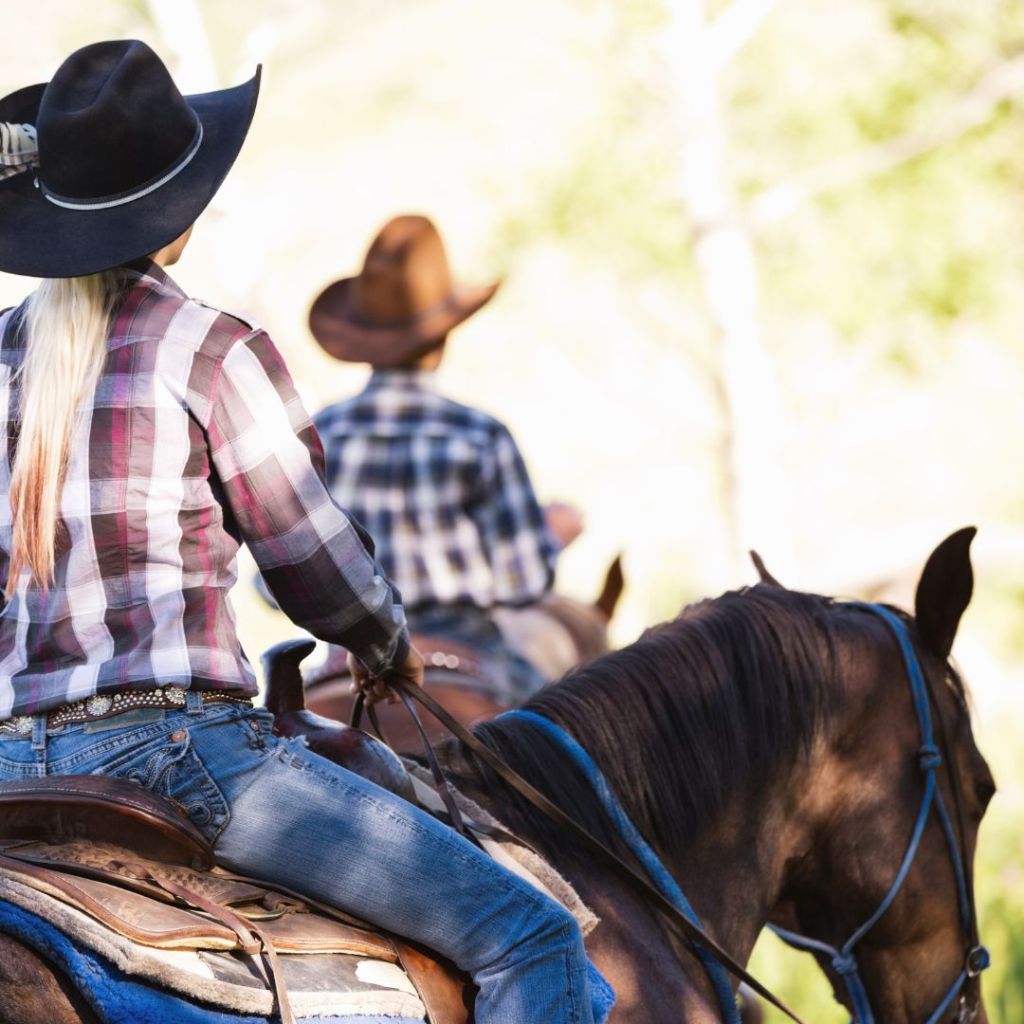
- Western Pleasure: Western saddles have a deep seat, high pommel, and horn, providing stability for long hours of riding.
2. Assess Your Horse’s Conformation
Just as humans have different body shapes, horses vary in their conformation. The saddle must fit the horse properly to prevent discomfort and potential health issues. Consider these aspects of your horse’s conformation:
- Withers: The saddle should clear the withers without pressing down on them.
- Back Length: The saddle should not extend past the horse’s last rib or over the loins.
- Shoulder Angle: The tree angle should match the angle of the horse’s shoulder for unrestricted movement.
3. Try Before You Buy
Never underestimate the importance of a proper fitting session. Many reputable saddle shops offer fitting services where they bring a selection of saddles to try on your horse. During this process:
- Pad: Use the pad you typically ride with to ensure an accurate fit.
- Girth Up: Fully girth up the saddle as you would for riding to mimic actual conditions.
- Watch for Signs: Look for signs of a good fit, such as even contact along the panels and no bridging (gaps between saddle and horse’s back).
4. Consider Saddle Tree Material
The tree is the framework of the saddle that determines its shape and strength. Common tree materials include:
- Wood: Traditional and sturdy, often used in high-end saddles.
- Fiberglass: Lightweight and durable, found in many synthetic saddles.
- Carbon Fiber: Advanced material for strength and flexibility.
5. Evaluate Seat Size and Style
The rider’s comfort is just as important as the horse’s. Ensure the saddle seat fits you comfortably:
- Seat Size: Typically measured in inches, the seat should provide ample room for the rider without feeling cramped.
- Seat Style: Choose a seat style that matches your riding position, whether it’s a deep seat for security in dressage or a flatter seat for versatility in jumping.
6. Budget for Quality
While budget is a consideration, investing in a quality saddle is essential for the well-being of your horse and your own comfort. A well-made saddle from a reputable brand will last longer and provide better support.
I recommend Horsesaddleshop.com for all of your saddle needs! Check them out for lots of variety, fair prices and great service to help you find the best saddle for you and your partner.
Choosing the right saddle involves a mix of understanding your riding discipline, assessing your horse’s conformation, and ensuring comfort for both horse and rider. Remember to seek professional fitting assistance when possible and prioritize quality within your budget. A well-fitted saddle not only enhances performance but also strengthens the bond between horse and rider for many enjoyable rides ahead.
Don’t forget to subscribe!
If you make a purchase through a link in this blog I may earn a small commission at no additional cost to you.




 Ride It Out
Leave a comment