
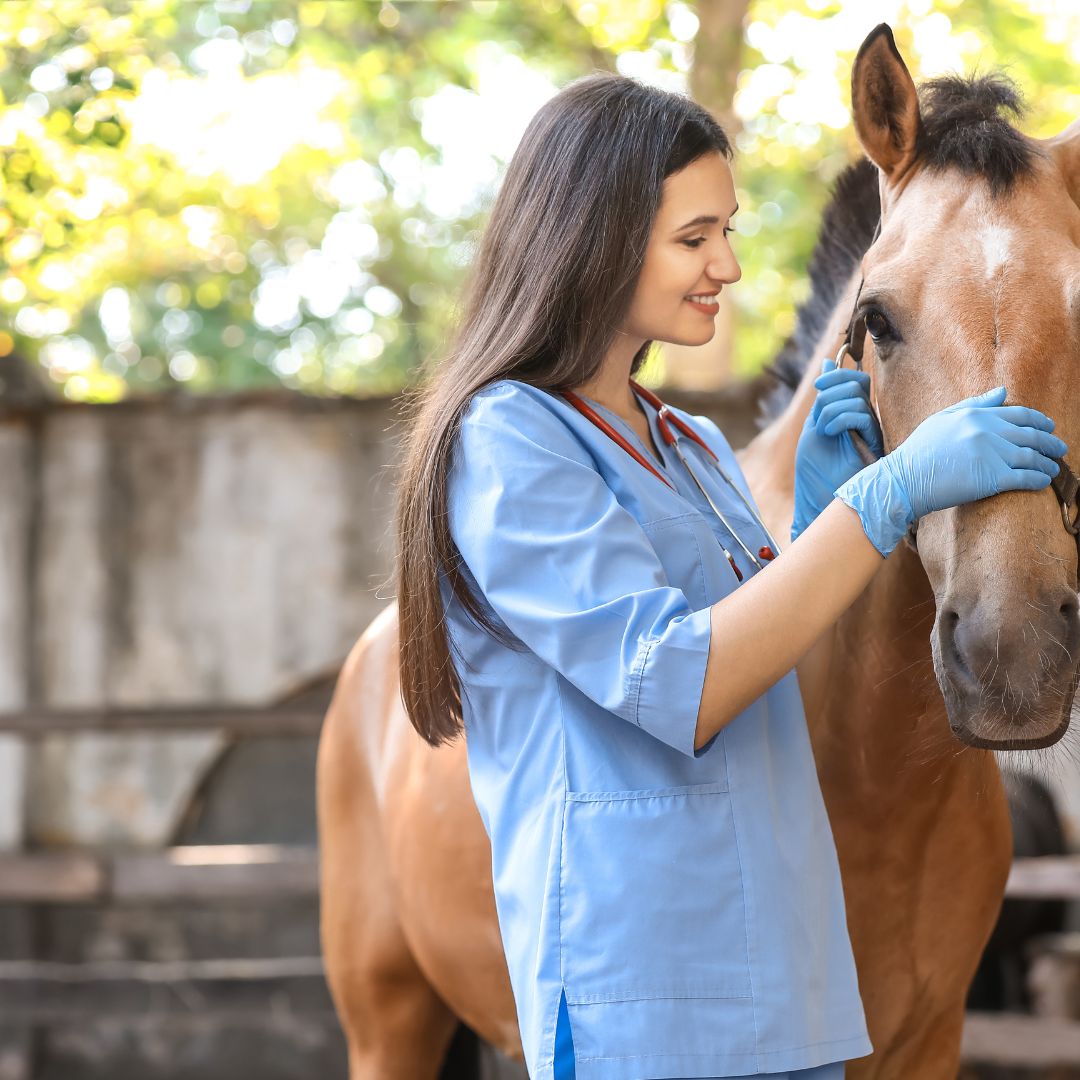
As a horse owner or caretaker, understanding common equine ailments is crucial for maintaining the health and well-being of these majestic creatures. From minor issues to more serious conditions, being aware of symptoms and treatment options can make all the difference in their care. In this guide, we’ll explore some of the most prevalent horse ailments and how to effectively address them.
1. Colic
Symptoms: Signs of colic in horses include pawing, rolling, sweating, lack of appetite, and looking at their abdomen.
Treatment: Immediate veterinary attention is essential. Until the vet arrives, walking the horse gently can help prevent rolling. Avoid giving food or water unless advised by a professional.
2. Lameness
Symptoms: Signs of lameness can include uneven gait, reluctance to move, swelling, and heat in the affected limb.
Treatment: Rest and evaluation by a veterinarian are key. Depending on the cause, treatment may include medication, therapy, or even surgery.
3. Hoof Problems (e.g., Abscesses)
Symptoms: Lameness, heat in the hoof, increased digital pulse, and reluctance to put weight on the affected hoof.
Treatment: Soaking the hoof in warm water and Epsom salts can help draw out the infection. Your farrier or vet may need to drain the abscess for complete healing.
4. Respiratory Issues (e.g., Heaves)
Symptoms: Coughing, nasal discharge, labored breathing, and exercise intolerance.
Treatment: Proper stable management, such as minimizing dust and providing good ventilation, is crucial. Medications prescribed by a vet can help manage symptoms.
5. Parasites
Symptoms: Weight loss, poor coat condition, colic, and diarrhea.
Treatment: Regular deworming is essential for parasite control. Your vet can recommend a deworming schedule based on your horse’s needs.
6. Skin Conditions (e.g., Rain Rot)
Symptoms: Scabby, matted hair with an unpleasant odor, usually along the back and rump.
Treatment: Keeping the affected area clean and dry is crucial. Medicated shampoos and topical treatments can aid in healing.
7. Gastric Ulcers
Symptoms: Poor appetite, weight loss, changes in behavior, and sensitivity when grooming.
Treatment: Veterinary diagnosis is essential. Treatment may include medications to reduce stomach acid and dietary changes.
8. Teeth Problems (e.g., Dental Overgrowth)
Symptoms: Dropping food, difficulty chewing, and weight loss.
Treatment: Regular dental check-ups and floating (filing down sharp points) are necessary for dental health. Your vet or equine dentist can perform these procedures.
Being aware of these common horse ailments and their treatments is vital for every horse owner and caretaker. Always consult with a veterinarian for proper diagnosis and treatment plans tailored to your horse’s specific needs. By staying informed and attentive to your horse’s health, you can ensure they live a happy, healthy life. 🐴💪 #HorseHealth #EquineCare #CommonHorseAilments
Don’t forget to subscribe!
If you make a purchase through a link in this blog I may earn a small commission at no additional cost to you.






 Ride It Out
Leave a comment