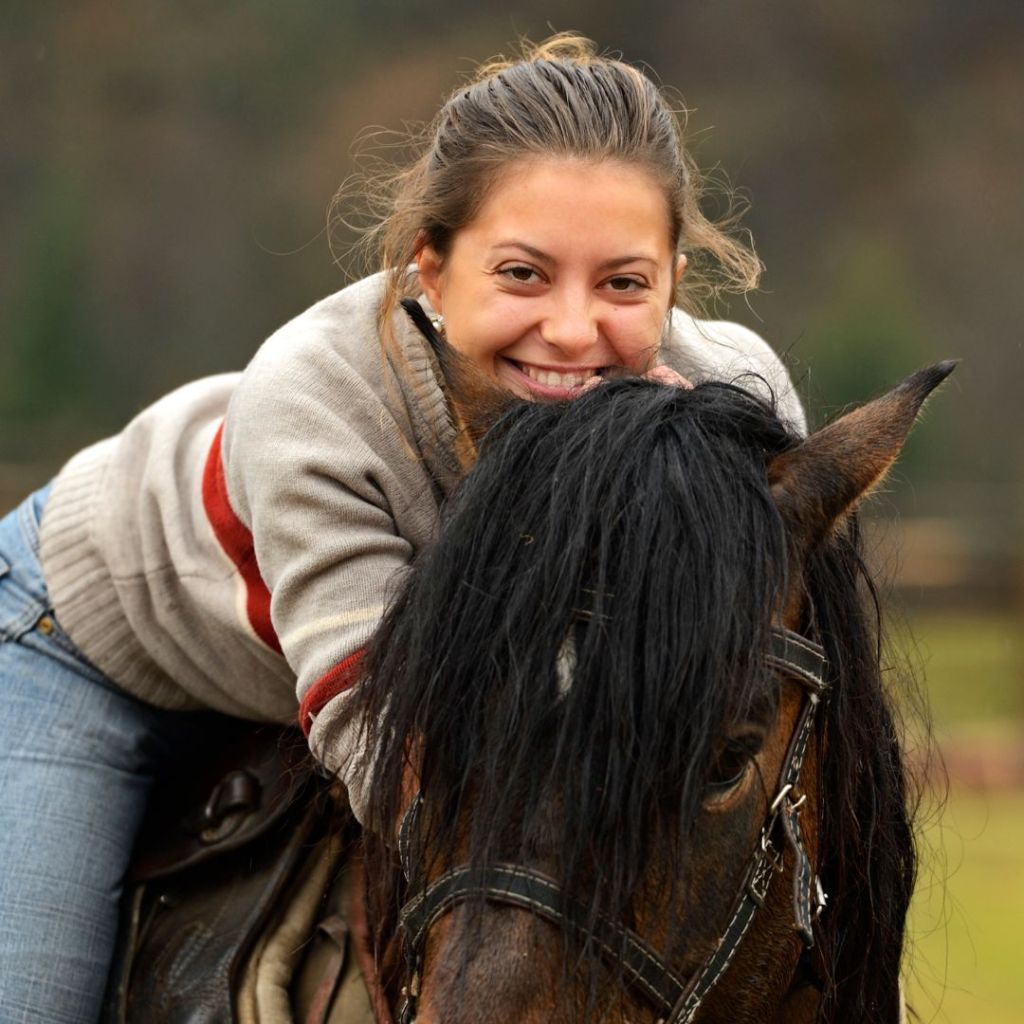
Horses, majestic creatures with a rich history alongside humans, require meticulous care to thrive. While feeding, grooming, and exercise are crucial, there’s another unsung hero in the world of equine wellness: the farrier. Often overlooked but undeniably essential, the farrier plays a vital role in maintaining a horse’s health and performance. Let’s delve into why their work is so crucial and how it impacts our equine companions.
The Farrier’s Expertise: What Do They Do?
A farrier is a skilled professional trained in the art and science of hoof care and horseshoeing. Their primary focus is on the health and balance of a horse’s hooves. Here’s a breakdown of their key responsibilities:
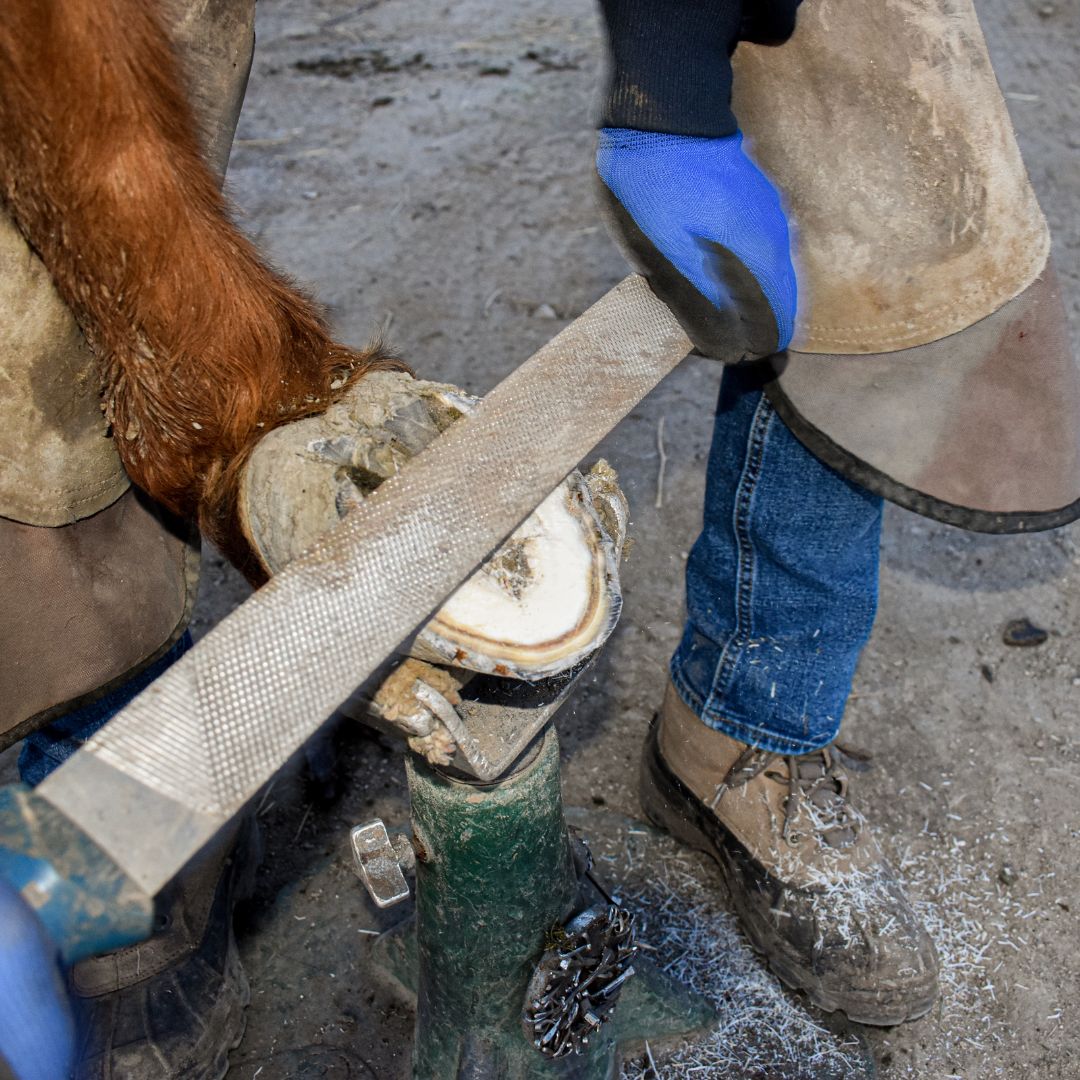
- Hoof Trimming and Maintenance: The cornerstone of a farrier’s work is hoof trimming. This involves carefully shaping and balancing the hooves, ensuring they are even and properly aligned. Regular trimming prevents issues like overgrowth, which can lead to discomfort and lameness.
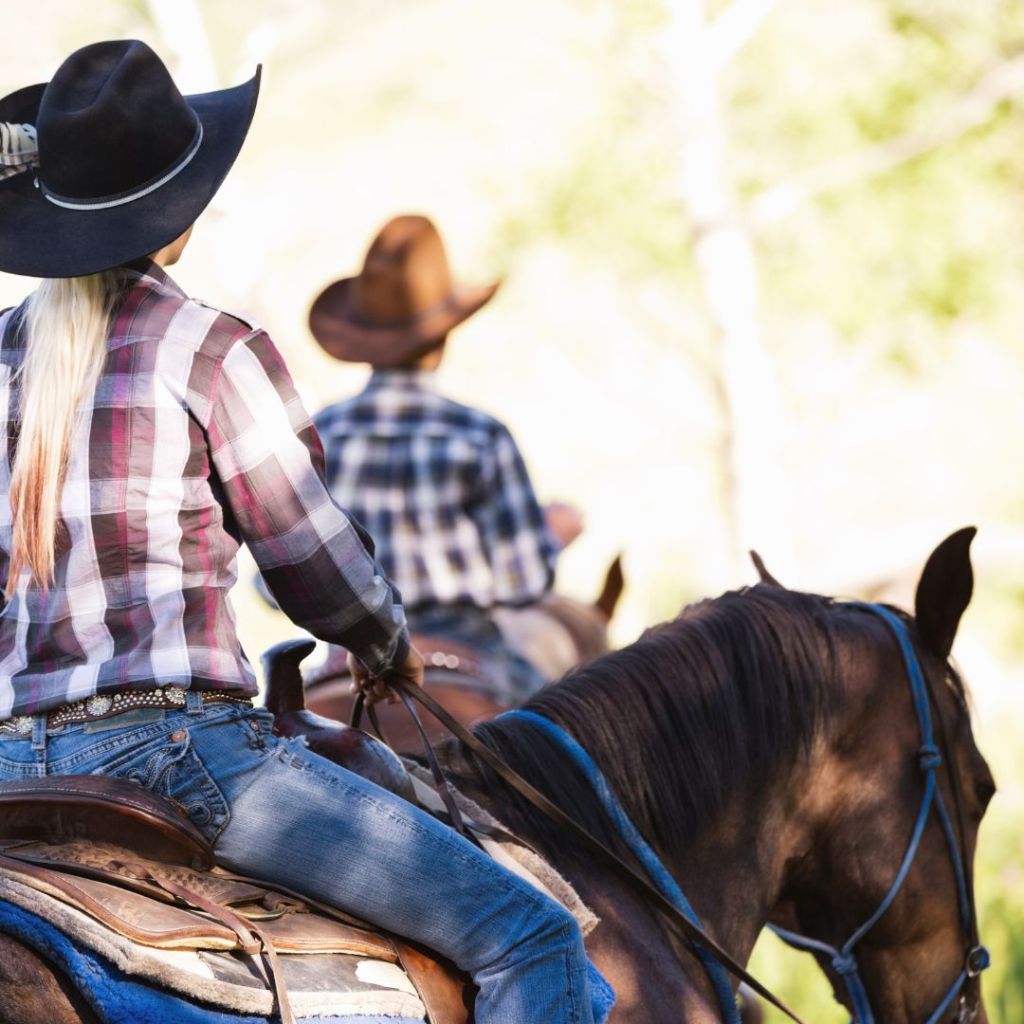
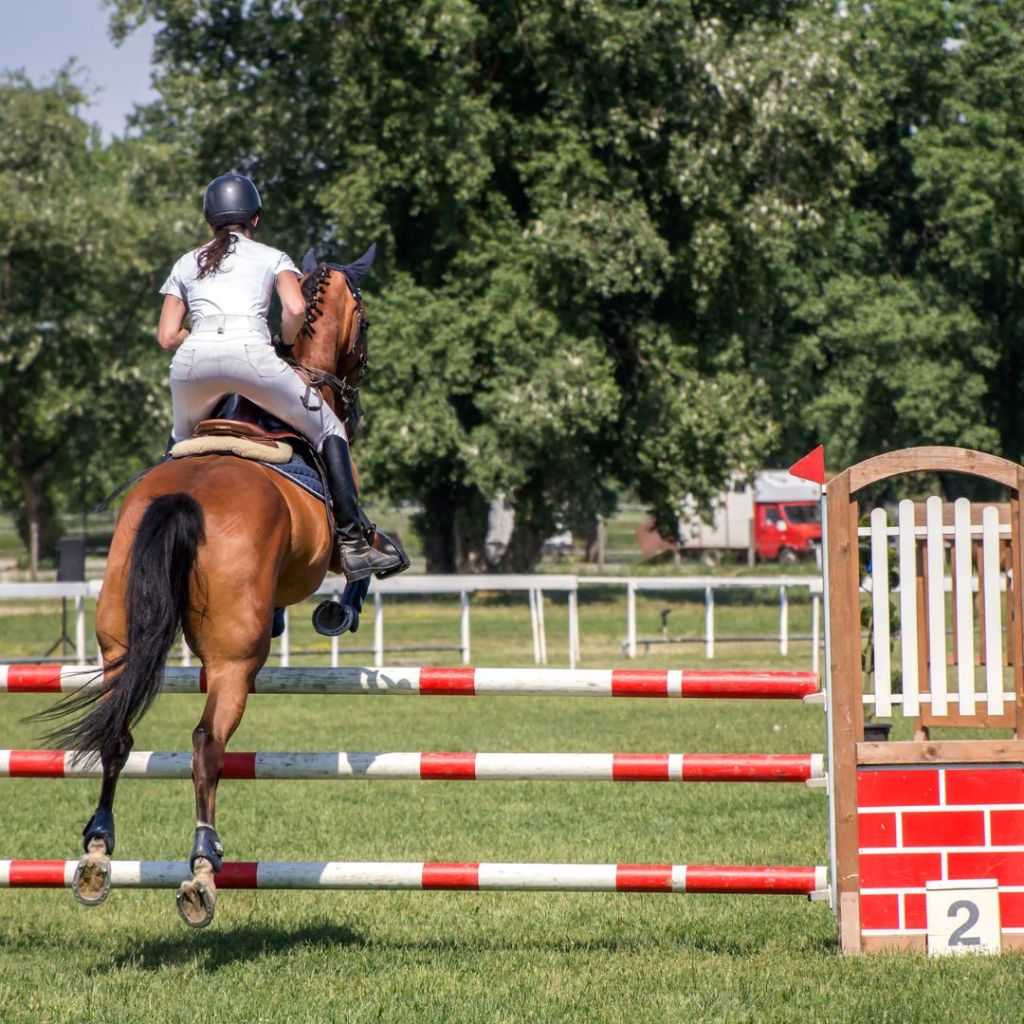
- Shoeing: Not all horses require shoes, but for those that do, a farrier is essential. Horseshoes protect the hooves from excessive wear, provide traction, and offer support for various activities. Farriers custom-fit each shoe to the individual horse, considering factors like hoof shape, gait, and the horse’s job (e.g., racing, jumping, trail riding).
The Importance of Proper Hoof Care
Why is all this attention to hooves so crucial? Here are some compelling reasons:
- Weight Distribution: A horse’s weight is distributed across its hooves, much like the foundation of a building. Properly balanced hooves ensure weight is evenly distributed, preventing stress on joints and reducing the risk of injuries.
- Preventing Lameness: Lameness is a significant concern for horse owners, affecting a horse’s ability to move comfortably. Regular farrier visits can catch issues early, such as cracks, imbalances, or signs of disease, preventing lameness before it starts.
- Enhancing Performance: For competitive horses, performance is key. Well-maintained hooves and correctly fitted shoes can improve traction, stability, and overall performance in various disciplines.
When to Call the Farrier
Knowing when to schedule a farrier visit is essential for maintaining your horse’s hoof health. Here are some signs it’s time to pick up the phone:
- Routine Maintenance: Most horses need trimming every 6-8 weeks. Stick to a schedule to prevent overgrowth and maintain balance.
- Changes in Hoof Condition: Cracks, chips, or unusual wear patterns are signs that something may be amiss. Prompt attention can prevent more significant issues.
- Lost Shoes: If a shoe is lost, don’t delay in calling the farrier. A missing shoe can lead to uneven wear and discomfort.
- Lameness or Discomfort: Any signs of lameness or discomfort, even subtle changes in gait or behavior, warrant a farrier evaluation.
In the intricate dance of horse care, the farrier is a choreographer, ensuring the hooves that carry our equine friends through life are healthy and strong. From balancing weight distribution to custom-fitting shoes for peak performance, their expertise is invaluable. So, next time you marvel at a horse’s graceful stride, remember the skilled hands and keen eyes of the farrier, silently working to keep our majestic companions at their best.
Remember, a well-cared-for horse is a happy and healthy horse, and the farrier is a vital partner in achieving this goal. Schedule those regular visits, pay attention to your horse’s hooves, and appreciate the unsung hero behind those beautiful strides.
Don’t forget to subscribe!
Keywords: Farrier, Horse Care, Hoof Trimming, Horseshoeing, Equine Health, Lameness Prevention, Hoof Maintenance, Horse Hooves, Horse Performance, Farrier Role


 Ride It Out
Leave a comment