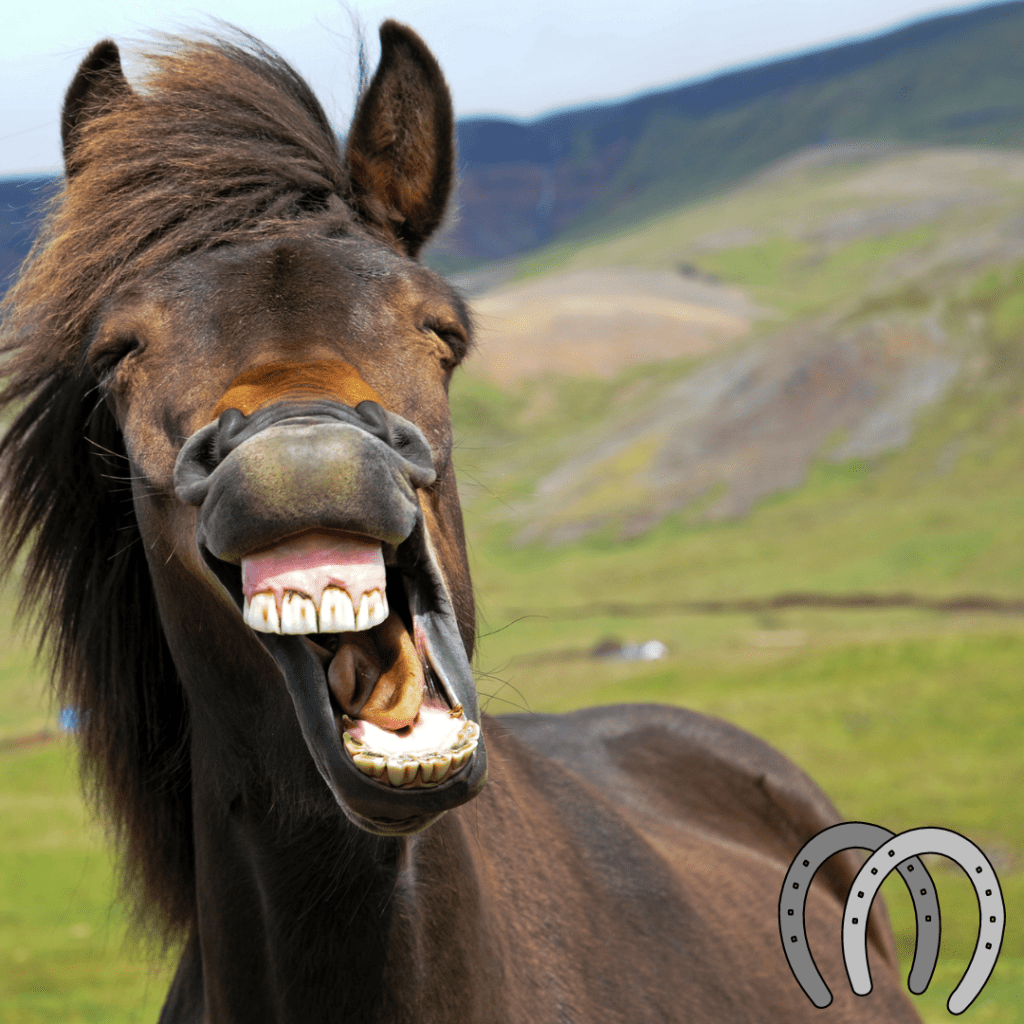
As equestrians, we often pride ourselves on the bond we share with our horses. Much of this connection comes from understanding their body language. Horses are incredibly expressive animals, and by learning to read their cues, we can better communicate with and care for them. Here’s a guide to decoding your horse’s body language:
- Ears: A horse’s ears are like antennas, constantly picking up signals from their surroundings. Forward-facing ears indicate alertness and interest. If they’re pinned back flat against the head, it often signifies anger or aggression. Ears flopped to the side or relaxed usually mean contentment or relaxation.
- Eyes: The eyes are the windows to the soul, even for horses. Wide eyes with whites showing can indicate fear or stress. Half-closed eyes with a relaxed expression usually mean the horse is feeling calm and comfortable.
- Head Position: A horse’s head position can convey a lot. A raised head with a tense neck might mean the horse is alarmed or defensive. A lowered head with a relaxed neck often signifies relaxation or submission.
- Tail: The tail can be a good indicator of mood. A high-held, stiffly swishing tail can indicate agitation or excitement. A relaxed tail hanging straight down typically means the horse is calm.
- Body Posture: Horses have various body postures that communicate different things. A tense, stiff body indicates nervousness or fear. A relaxed, loose body suggests the horse is at ease.
- Gait: How a horse moves can also speak volumes. A quick, choppy gait might mean the horse is anxious or eager. A slow, deliberate walk often indicates relaxation.
Understanding these cues can help you anticipate your horse’s reactions and respond appropriately. It’s essential to remember that each horse is an individual, so their body language can vary. Spend time observing and interacting with your horse to build a deeper understanding of their unique signals.
By being attentive to your horse’s body language, you can strengthen your bond, improve training sessions, and ensure their well-being. Keep these cues in mind next time you’re with your equine companion, and you’ll find yourself speaking their language fluently.
Remember, a happy horse makes for a happy rider!
Don’t forget to subscribe!
If you make a purchase through a link in this blog I may earn a small commission at no additional cost to you.
Keywords: Horse body language, Reading horse cues, Equine behavior, Horse communication, Understanding horse expressions, Equestrian tips


 Ride It Out
Leave a comment